10 Window Glass Replacement-Related Projects That Stretch Your Creativity
Window Glass Replacement: A Comprehensive Guide
Window glass replacement is not just a matter of looks; it likewise plays a crucial function in preserving energy performance, structural integrity, and security of a building. Whether it's due to accidental damage, wear and tear, or energy efficiency upgrades, understanding the procedure and factors to consider surrounding window glass replacement is vital for house owners, residential or commercial property managers, and contractors alike. This guide delves into the kinds of window glass, elements to consider for replacement, the detailed procedure, and answers often asked questions.
Kinds Of Window Glass
Before diving into the specifics of window glass replacement, it is very important to understand the various kinds of window glass offered in the market. The following table lays out typical types together with their functions:
Type of Glass
Description
Single Pane Glass
Normally the most affordable choice, made from one layer of glass. Minimal insulation and energy efficiency.
Double Pane Glass
Consists of 2 layers of glass with an insulating space in between. Uses better energy efficiency and insulation.
Triple Pane Glass
Features three layers of glass, maximizing insulation and energy effectiveness. Perfect for extreme environments.
Low-E Glass
Covered with a thin layer that reflects heat back into the space while allowing light in. Promotes energy effectiveness.
Tempered Glass
Heat-treated to increase strength and security. Burglarize small, less hazardous pieces when shattered.
Laminated Glass
Made of two or more layers bonded with a plastic interlayer. Offers noise decrease and security benefits.
Aspects to Consider for Window Glass Replacement
When choosing for window glass replacement, a number of elements must be taken into account. This guarantees that the picked solutions satisfy the particular needs of the structure:
Energy Efficiency: Assess the energy performance of existing windows. Updating to double or triple-pane glass or incorporating Low-E coverings can substantially minimize cooling and heating expenses.
Climate: Consider the local environment and weather conditions. Various glass types perform better in varying weather condition environments.
Structure Regulations: Confirm compliance with local structure codes and policies regarding window insulation, shatterproof glass, and egress requirements.
Security: Evaluate the need for strengthened or laminated glass for enhanced security, specifically in ground-level windows.
Visual Appeal: Select glass options that will enhance the general appearance of the property while maintaining the preferred architectural style.
Spending plan: Establish a budget that consists of not just glass replacement but also prospective setup costs.
The Window Glass Replacement Process
Changing window glass may appear like a simple job, however it requires cautious preparation and execution. Below are the steps usually associated with the glass replacement procedure:
Step-by-Step Guide to Window Glass Replacement
Evaluation: Evaluate the window frame and existing glass to identify the degree of damage and the kind of replacement needed.
Measurement: Measure the measurements of the glass pane that needs replacing. Accurate measurements are vital for a proper fit.
Removal of Old Glass: Carefully remove the damaged glass utilizing suitable tools, guaranteeing the frame does not incur damage. Wear safety gloves and goggles to secure against sharp edges.
Prepare the Frame: Clean and prepare the window frame by getting rid of any old putty, paint, or glazing. This step guarantees a secure suitable for the new glass.
Setting the New Glass: Secure the new glass pane into the frame. Apply glazing or putty to hold the glass in location and provide weatherproofing.
Sealing: Ensure the glass is effectively sealed to prevent air leaks, which can jeopardize energy performance.
Completing Touches: Once the sealant is dry, use paint or touch-up any areas of the frame that might have been affected throughout setup.
Final Inspection: Conduct a thorough evaluation to guarantee that the brand-new glass is secure and free from leakages, and inspect that the window runs smoothly.
Frequently Asked Questions about Window Glass Replacement
1. How much does window glass replacement normally cost?The expense of window glass replacement can vary extensively based on elements such as glass type, window size, and labor rates. Typically, homeowners can anticipate to pay between ₤ 100 to ₤ 700 per window.
**2. Can I change window glass myself?While some property owners might select to replace window glass on their own, it needs a specific level of ability and understanding. Hiring a professional is typically advised to ensure security and proper setup. 3. The length of time does the replacement process
take?The time taken for window glass replacement can range from
a couple of hours to a full day depending on the complexity of the task and whether additional repairs to the frame are required. 4. Is it possible to change just the glass, or do I
require to change the whole window?In lots of cases, it is possible to change simply the glass if the frame is in good condition. Nevertheless, for badly damaged frames or outdated windows, a complete replacement might be more beneficial. 5. How can I guarantee my brand-new windows are energy-efficient? Picking double or triple-pane windows, Low-E glass, or windows with gas fills can substantially enhance energy performance. Additionally, professional setup helps maximize performance. Experienced Glass Repair is an essential element of home maintenance that impacts energy performance, comfort, and safety. By understanding the kinds of glass available, considering numerous aspects, and following an organized replacement procedure, homeowners can make educated choices concerning window upgrades. Whether you select to embark on a DIY project or seek professional aid, investing in quality window glass is a financial investment in the durability and effectiveness of your residential or commercial property. 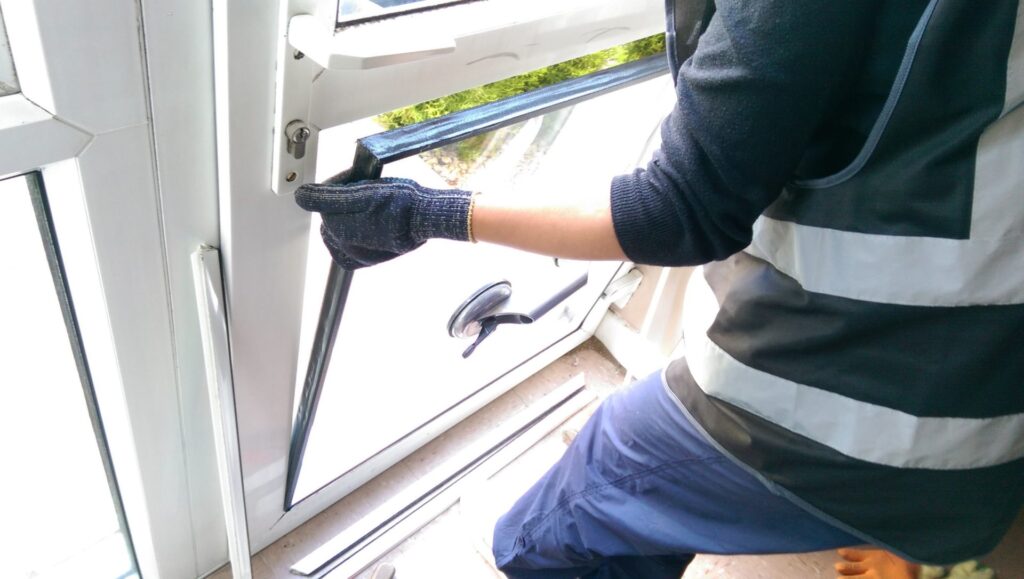 **
**